Thinking about a move that balances space, calm streets, and a workable New York City commute? If you are weighing school options, weekend parks, and what daily life actually feels like, the northern suburbs of Bergen County deserve a close look. You want facts that help you picture mornings, budgets, and where you will spend your Sundays. This guide breaks down commute choices, neighborhoods and homes, schools, taxes, and lifestyle so you can decide with confidence. Let’s dive in.
Northern Bergen snapshot
Bergen County is New Jersey’s most populous county, with about 955,000 residents as of the 2020 U.S. Census. The northern tier generally refers to towns north and northwest of the Route 4 and Route 17 corridors, including Ridgewood, Wyckoff, Mahwah, Franklin Lakes, Ramsey, Allendale, Upper Saddle River, Ho-Ho-Kus, and Closter. These communities range from vibrant village centers to quieter, wooded neighborhoods.
You will find a wide mix of cultures and backgrounds across the county. Population makeup varies town by town, and you will see diverse dining, community groups, and cultural institutions that reflect that. Northern Bergen also trends more single-family and lower density than the eastern edge near the Hudson River.
Expect more yard space and mature trees as you move northwest toward the Ramapo Mountains. Many neighborhoods feature larger lots and a suburban feel, while downtown pockets offer walkable streets near shops and train stations.
Commute and transit
If you plan to commute, you have real choices. NJ Transit rail lines connect northern Bergen to Hoboken and Secaucus, with transfers available to reach New York Penn Station and onward subway service. Many residents drive or bike to a nearby station, then ride into the city.
Bus service to Manhattan is common from many towns, with routes to the Port Authority Bus Terminal and other points. For those near the Hudson side, ferries run from Edgewater and nearby terminals, which some commuters prefer for predictability.
Driving remains convenient for local errands and regional trips. Major highways include the Garden State Parkway, I-287, Route 17, and Route 4. Rush hours can slow traffic, especially along Route 17 and the Parkway, so plan extra time during peak windows.
Commute timing
Typical commute times into Manhattan often range from about 30 to 75 minutes depending on your town and mode. If your job is in local hubs like Paramus, Hackensack, or Ridgewood, your daily drive can be much shorter.
Airports and travel
You are well positioned for regional and national travel. Newark Liberty International is the closest major airport, Teterboro serves private and business aviation, and LaGuardia and JFK are reachable by car.
Schools and learning
Northern Bergen includes many districts that are well regarded in New Jersey. Performance and programs vary by municipality, so compare town-by-town using New Jersey Department of Education reports and local district resources. Families often weigh curriculum strength, arts and STEM tracks, and after-school offerings alongside commute and housing.
County-wide public options
Bergen County Academies in Hackensack is a county magnet high school known nationally for selective STEM and specialized programs. Bergen County Technical Schools provide additional vocational and technical pathways. These options broaden what is possible beyond your home district.
Private and parochial choices
You will find a robust private-school network across Bergen County, from religious day schools to independent campuses serving elementary through secondary grades. Admissions, tuition, and transportation vary, so plan ahead if these are on your radar.
How to evaluate
- Review NJ DOE performance reports and district sites.
- Map your potential home to school transportation and start times.
- Ask about specialized tracks, arts, and AP or IB options.
- Factor clubs, sports, and community partnerships into your decision.
Homes and costs
Housing stock shifts by neighborhood type. In downtown villages like Ridgewood, you will see older Victorians and Colonials on tree-lined streets, plus apartments over storefronts. Suburban tracts in towns like Wyckoff, Ramsey, and Allendale lean toward post-war Colonials and mid-century split-levels on single-family lots.
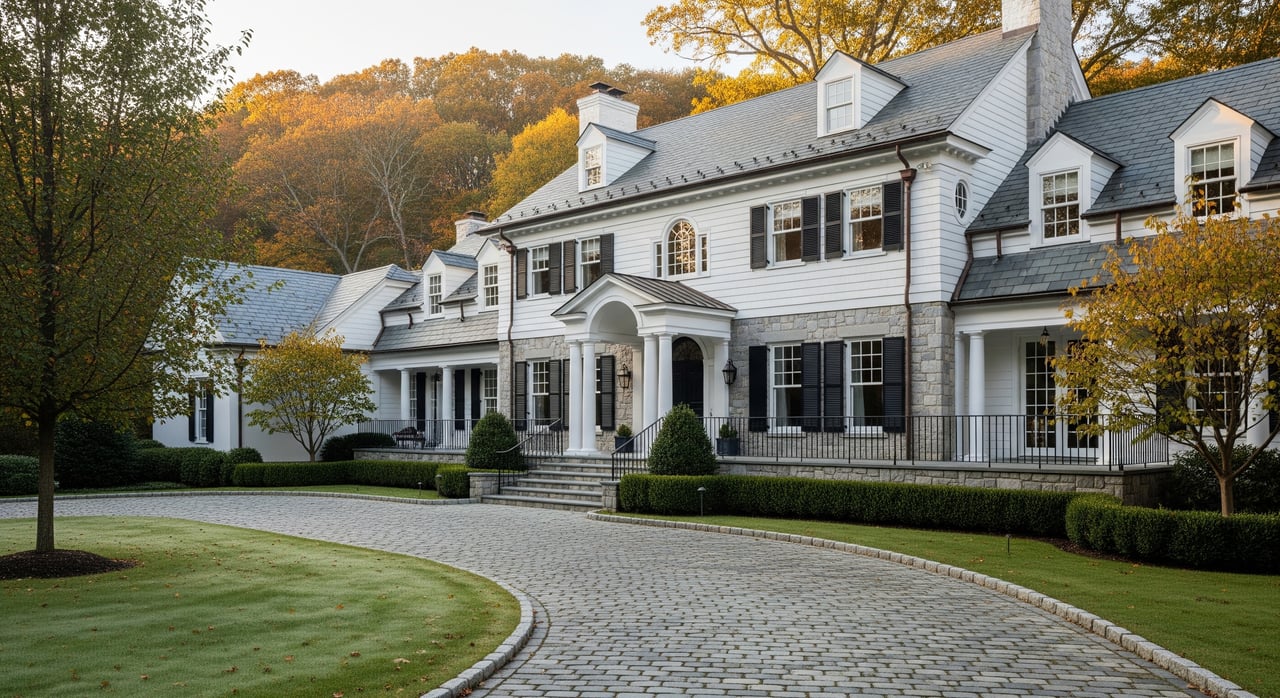
In affluent enclaves such as parts of Franklin Lakes and Upper Saddle River, expect larger lots and custom homes. Newer construction and townhome developments appear near retail corridors and transit nodes, offering lower-maintenance living.
Pricing realities
Bergen County prices are generally higher than the national median, with wide variation by town, lot size, and proximity to rail. Move-in-ready homes near transit and strong schools often draw the most demand. Buyers seeking value sometimes target older homes that need updates or look at condos and townhomes for entry-level opportunities.
Property taxes matter
New Jersey has some of the highest property taxes in the country, and many Bergen municipalities sit above the national average. Build your monthly budget with taxes, insurance, and utilities in mind, not just principal and interest. If you are selling, buyers will run the same math, so pricing strategy should reflect carrying costs and condition.
Lifestyle and amenities
Paramus is a major retail hub, home to multiple malls and busy shopping corridors. Bergen County enforces blue laws that keep many large retail centers closed on Sundays, which shapes weekend routines. Plan errands for Saturday or weekday evenings, and enjoy quieter roads on Sunday.
Dining is a standout across the northern suburbs. Downtowns like Ridgewood and Wyckoff offer a mix of cafes, bakeries, and restaurants. Countywide, you will find diverse options, including well-known Korean cuisine in Palisades Park and Fort Lee.
Parks and the outdoors
You have excellent access to green space. Ramapo Mountain State Forest delivers hiking and lake views. Saddle River County Park provides a multi-town greenway for biking and jogging. The Palisades Interstate Park offers cliffside trails and Hudson River lookouts. Municipal parks, community pools, golf courses, and seasonal farmers markets round out weekend choices.
Community life and care
Civic institutions are active, from local libraries and PTOs to volunteer fire departments. Arts and cultural programming appears in community theaters and county venues, and New York City’s cultural calendar is within an easy trip.
Healthcare access is strong, anchored by Hackensack University Medical Center and The Valley Hospital serving the Ridgewood area, plus local medical centers and urgent care options throughout the county.
Weather and practical tips
Northern Bergen sees all four seasons. Winter storms can affect commuting and parking, so understand local snow rules and driveway needs. If you plan to use a commuter lot, check permit requirements and waitlists early. Many neighborhoods are car dependent, while certain downtowns are highly walkable.
North Jersey comparisons
Compared with Hoboken and Jersey City, northern Bergen is generally less dense, with more single-family homes and larger yards. Urban waterfront cities offer more transit-on-the-doorstep living and smaller footprints. In northern Bergen, you typically trade shorter walks to subways for more privacy, green space, and a quieter residential feel.
Is it right for you?
Use this quick checklist:
- You want a suburban feel with access to NYC job centers.
- You value yard space, parks, and community programming.
- You are comfortable budgeting for New Jersey property taxes.
- You want a range of public, magnet, technical, and private school options.
- You prefer driving to a rail station or bus stop over dense, urban transit.
If that sounds like your next chapter, the northern suburbs of Bergen County are worth touring in person. A strategic search that weighs commute, taxes, school fit, and housing style can save you time and money.
Ready to map out a plan tailored to your goals? Connect with Jonathan Guzman for a Private Strategy Consultation and a white-glove path from first look to keys in hand.
FAQs
How long is the commute from northern Bergen to Manhattan?
- Most commutes fall between about 30 and 75 minutes depending on your town and whether you take rail, bus, ferry, or drive.
Which transit options serve Bergen County’s northern suburbs?
- NJ Transit rail with transfers at Secaucus and Hoboken, commuter buses to the Port Authority Bus Terminal, ferries from Edgewater, and highway routes like Route 17 and the Garden State Parkway.
How do Bergen County blue laws affect shopping weekends?
- Many large retail stores and malls are closed on Sundays, so residents often plan major shopping for Saturdays or weekdays and enjoy quieter roads on Sundays.
What are notable parks near northern Bergen neighborhoods?
- Ramapo Mountain State Forest, Saddle River County Park, and the Palisades Interstate Park offer hiking, biking, and scenic views within a short drive.
What school options exist beyond local public districts?
- County-wide programs include Bergen County Academies and Bergen County Technical Schools, which offer selective and vocational tracks, plus a range of private and parochial schools.
How do property taxes influence monthly housing costs in Bergen County?
- New Jersey property taxes are among the highest in the U.S., and many Bergen towns are above the national average, so include taxes, insurance, and utilities in your monthly budget.
Which hospitals serve northern Bergen County residents?
- Hackensack University Medical Center and The Valley Hospital are major providers for the region, supported by local medical centers and urgent care clinics.